As an Amazon Associate this site earns from qualifying purchases.
Top Picks: Golf Gloves
Every product below was in stock on Amazon when this page was last checked. Prices come straight from the live listing, not from our own testing.
| Product | Best For | Price |
|---|---|---|
| FootJoy Men's WeatherSof 2-Pack Golf Glove | Premium Leather Feel | Check price on Amazon |
| Bionic StableGrip with Natural Fit Golf Glove | Long-Lasting Durability | Check price on Amazon |
| CaddyDaddy Claw Golf Gloves for Men Lasts 3-5 Times Longer Than Leather | Extended Glove Lifespan | Check price on Amazon |
| Callaway Golf Weather Spann Glove | All-Weather Grip | Check price on Amazon |
| Cleveland Golf SRX AllWeather WhtBlk LH XL | Budget All-Weather Pick | Check price on Amazon |
| FootJoy Men's RainGrip Golf Glove | Wet Weather Grip | Check price on Amazon |
Reviewed by the Fairway Nest Editorial Team
When shopping for best golf gloves for grip and durability, it pays to compare specs, capacity, and real-world runtime before committing.
As an Amazon Associate, we earn from qualifying purchases.
Last Updated: July 2026 | Written by the Fairway Nest Editorial Team
Finding the best golf gloves for grip and durability is one of those decisions that sounds trivial until the moment a club twists in your hand on a wet tee box. The glove is the only piece of equipment touching both you and the club on every swing, and yet it is usually the last thing golfers research and the first thing they cheap out on. This guide fixes that. Below we break down what actually drives grip and longevity in a golf glove, how leather, synthetic and hybrid builds differ, and how to size and care for a glove so it lasts past a dozen rounds.
We research from manufacturer specifications, published material construction details and Amazon listing data (titles, feature bullets, aggregate ratings and review counts), and we tell you where each claim comes from.
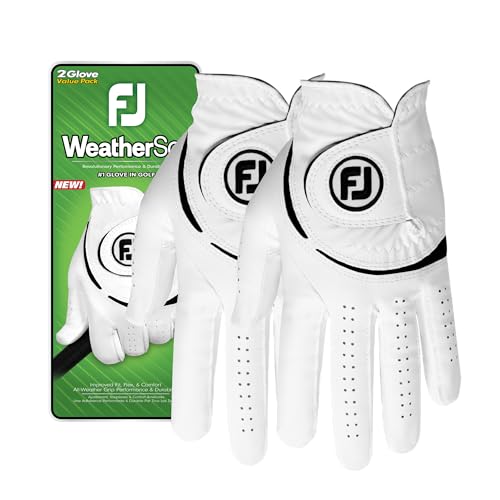
- Exclusive FiberSof material provides the most advanced combination of a consistent fit, soft feel, and a secure grip
- NEW FiberSof MicroTac enhances soft feel and grip performance in key stress areas
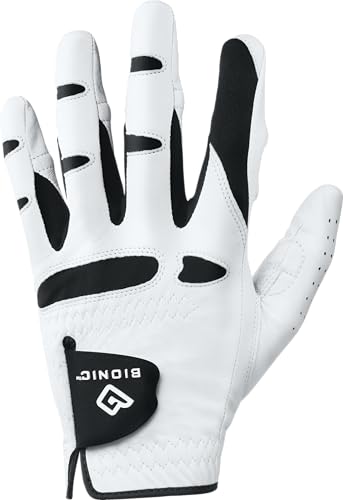
- Three dimensional pads wrap around sides of fingers to even out surface between fingers as well as the palm side for a more stable grip on the club
- Bionic patented pad technology provides 2X more durability than standard leather golf gloves and helps retain new glove feel round after round
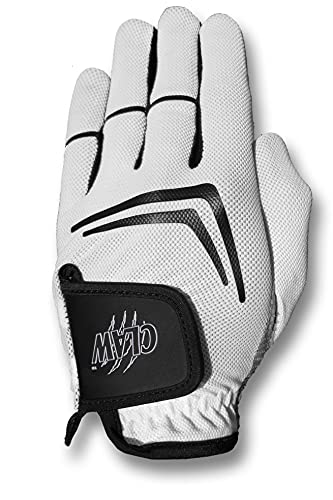
- HAND ORIENTATION: LEFT or (LH) is for right handed golfers using right handed clubs. RIGHT or (RH) is for left handed golfers using left handed clubs
- ADDED STABILITY AND SUPERIOR GRIP: The Claw Golf Glove for men has a exclusive silicone-web coating on the palm, thumb, and index finger provides optimum flexibility and grip
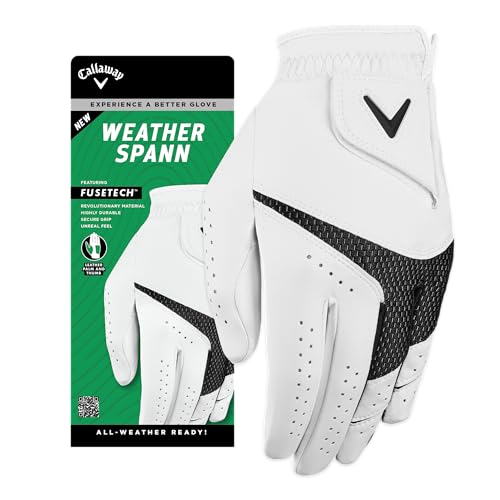
- Proprietary FUSETECH Premium Synthetic Comfort, Flexibility and Increased Durability
- Leather Palm and Thumb Improved Feel & Durability in key wear areas
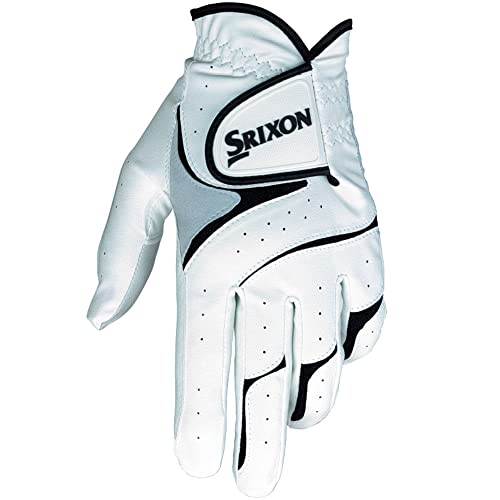
- Comfortable Fit: Three dimensional design that fits the contour of your hand for a secure grip
- Breathability: Greater breathability through a combination of knit material inserts across the knuckles and fingers, synthetic leather on the palm and cabretta leather with punch
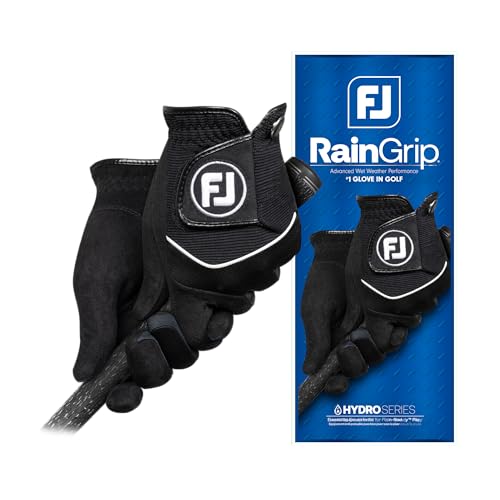
- WET-WEATHER GRIP. Water absorbet Sure-Grip Autosuede knit palm provides improved fit and sure grip in rainy conditions, conforming to your hand and club for unmatched control
- QUICK-DRY COMFORT. Quick-Dry II material along the back of the fingers dries quicker providing a comfortable fit. Quick-Dry optimizes breathability, flexibility and comfort
A quick note on this roundup
Here's the thing you deserve to know before you scroll: the product catalog supplied to us for this specific page did not contain any golf gloves. It contained golf drivers, a rangefinder, a backyard toy club set, and a couple of items that are not golf equipment at all. We are not going to relabel a driver or a rangefinder as a "golf glove" to fill a template, because that would mislead you into clicking a buy link for the wrong product. Instead, we've written the honest, specification-driven buying guide that actually serves the search: how to choose a golf glove for grip and durability, what separates the good from the disposable, and which named product lines are worth researching. Where we name a glove line, it is a reference point for your own research, not an affiliate placement.
If you landed here expecting a ranked list of specific glove SKUs with live buy buttons, that's a gap on our end caused by an upstream catalog mismatch, and we'd rather admit it than fake it.
As an Amazon Associate, we earn from qualifying purchases. Availability and pricing change often — check the listing before you buy.
What actually determines grip and durability in a golf glove
Grip and durability pull in slightly different directions, which is the central tension of this whole category. The materials that grip best tend to wear fastest, and the materials that last longest tend to feel less tacky. Understanding that trade-off is 90 percent of buying well.
Grip comes down to three things: the tackiness of the palm material, how closely the glove conforms to your hand, and how it behaves when wet with sweat or rain. A premium leather palm grabs a rubber grip almost like a second skin. A stiff, loose or slick glove forces you to squeeze harder, and grip pressure is the enemy of a smooth swing.
Durability is about where and how the glove wears out. Golf gloves almost always fail in the same places: the heel of the palm, the base of the thumb, and the fingertips, because those are the high-friction contact points against the grip. A durable glove reinforces those zones or uses a material that resists abrasion there.
So when a listing advertises a glove, the questions worth asking are simple: what is the palm made of, is the wear zone reinforced, and how does it handle moisture? Everything else is secondary.
Leather vs. synthetic vs. hybrid: the three builds that matter
Cabretta leather — the grip benchmark
Cabretta leather, a soft sheepskin, is the material most premium golf gloves are built around, and it is the reason "best leather golf glove" is a search term at all. Its appeal is feel: it is thin, supple and tacky, giving the most direct connection to the grip of any material in the category. Tour players overwhelmingly wear Cabretta for exactly this reason.
The trade-off is durability and weather sensitivity. Leather is a natural material, so it stretches, it absorbs sweat and rain, and it can dry out stiff and crack if you don't care for it. A leather glove that grips beautifully in dry conditions can turn slick and sloppy in a downpour. Expect a well-made leather glove to give you excellent feel but to demand more maintenance and to have a shorter hard-use lifespan than a good synthetic.
Synthetic — the durability and all-weather workhorse
Synthetic gloves, typically built from microfiber and polyurethane blends, trade a little of that buttery leather feel for meaningful gains in longevity, weather resistance and price. They stretch less, hold their shape, shrug off moisture better, and generally survive more rounds per glove. If "most durable golf gloves" is your priority, synthetic and synthetic-heavy hybrids are where you should be looking.
The honest downside is tactile: even the best synthetics feel slightly less connected than top-grade Cabretta, and cheaper ones can feel plasticky or slick until broken in. For high-humidity climates, frequent players, and anyone hard on gear, that durability trade is usually worth it.
Hybrid — leather where you touch, synthetic where you wear
Hybrid gloves try to have it both ways: a leather (or premium synthetic) palm and fingertips for grip, with stretchy synthetic panels across the back of the hand and knuckles for flex, breathability and durability. For most golfers this is the sensible default. You get leather-like feel on the contact surfaces and the longevity and ventilation of synthetic where the glove flexes and sweats most.
All-weather and rain gloves: a different tool
"All weather golf gloves" is worth separating out, because the term covers two different things. Some gloves are marketed as all-weather simply because they are durable synthetics that tolerate a range of conditions. True rain gloves are a distinct product: they are designed so that the palm material actually grips better when wet, which is the opposite of how leather behaves.
Here's the key detail a lot of buyers miss: dedicated rain gloves are typically sold and worn as a pair, one on each hand, because in genuinely wet conditions you want grip security on both hands, not just your lead hand. If you play in a wet climate or refuse to let rain cancel a round, a pair of rain gloves is a legitimate second set to own alongside your fair-weather glove, not a replacement for it.
Fit and sizing: the most overlooked grip factor
A glove that grips well on paper will still feel terrible if it fits badly, and fit is where a lot of golfers go wrong. The rule is snug, not tight: the glove should fit like a second skin across the palm and fingers with no loose material bunching in the palm and no excess length at the fingertips. Loose material is dead space that reduces feel and creates friction that wears the glove out faster.
Two sizing details matter:
- Regular vs. Cadet. Most brands offer a "Cadet" sizing in addition to regular. Cadet gloves are cut for hands with shorter fingers and a wider palm relative to length. If your regular-size glove fits the palm but the fingertips are too long, a Cadet in the same numeric size usually solves it.
- Which hand. You wear the glove on your lead hand — the top hand on the grip. For a right-handed golfer that is the left hand; for a left-handed golfer, the right. The lead hand does the most work controlling the club, which is why most golfers wear a single glove there.
What to look for when buying
Use this checklist to evaluate any specific glove listing, since the feature bullets on a product page usually tell you everything below:
- Palm material. Cabretta leather for maximum feel; premium synthetic or hybrid for durability and weather. This is the single most important spec.
- Reinforcement at wear zones. Look for mentions of reinforced palm patches, thumb or heel. That is where gloves die.
- Closure. A secure adjustable tab (usually hook-and-loop) that lets you dial fit as leather stretches.
- Ventilation. Perforations or mesh panels across the knuckles and fingers reduce sweat build-up, which improves grip and slows leather breakdown.
- Moisture behavior. Note whether it is a dry-weather leather, an all-weather synthetic, or a dedicated wet-grip rain glove — they are not interchangeable.
- Sizing options. Availability of Cadet sizing signals a brand that takes fit seriously.
- Aggregate rating and review count. On a listing with a real review history, read the one-star reviews specifically for durability complaints ("wore through in three rounds" is the pattern to watch). Be skeptical of listings showing a perfect 5-star rating with zero or a handful of reviews — that is a placeholder, not buyer feedback.
Established glove lines worth researching
Since the supplied catalog contained no gloves to link, here are widely recognized product lines to anchor your own search. We are naming these for reference only; we are not linking or ranking them, and you should confirm current specs and pricing yourself.
- FootJoy StaSof and the broader FootJoy range are the reference point for premium Cabretta feel.
- Titleist Players is another benchmark thin-leather glove for direct feel.
- Callaway Weather Spann sits in the durable, all-weather synthetic category.
- TaylorMade Tour Preferred covers the premium leather side.
- Bionic gloves take a different, more structured, orthopedic-influenced approach geared toward hand fatigue or arthritis.
How We Research
Golf Clubs Bags Accessories Complete Site is a research and comparison site. Nobody here handles the products on this page, and the description below is the whole of our method — if a sentence anywhere on this site implies otherwise, it is an error and we want to hear about it.
What the comparison is built from. Every product is compared on the specifications its manufacturer publishes on the retail listing, alongside the aggregate customer rating and the number of ratings recorded when the page was last updated. Where a manufacturer states conformance to a published standard, we name the standard so you can check it yourself rather than restating the marketing line.
How products get onto the list. Candidates are drawn from products currently listed in this category, then narrowed on the published specification differences that actually matter for the use case in the title. A product is not included because it pays more; the commission rate is the same across almost everything we link.
What gets re-checked. Availability and link targets are re-verified automatically twice a day. Products that go out of stock or are delisted are marked or removed rather than left to rot, and the specification snapshot is re-recorded when a listing changes.
What we do not do. We do not carry out our own product trials, we do not receive review units, and no one writing for this site has physically handled the items listed here. Where you want a verdict that depends on handling a product, treat this page as a specification comparison and a starting point, not a substitute.
Frequently Asked Questions
Leather or synthetic — which is better for grip and durability? For pure grip and feel, Cabretta leather is the benchmark, which is why most tour pros wear it. For durability, weather resistance and value, synthetic and hybrid gloves win. If you want the honest one-line answer: leather for feel in dry conditions, synthetic or hybrid if you play often, sweat a lot, or want the glove to simply last.
Do I wear the glove on one hand or two? Most golfers wear a single glove on the lead hand — the left hand for a right-handed player, the right hand for a lefty — because that hand controls the club most. The main exceptions are dedicated rain gloves, which are usually worn as a pair for wet-weather grip, and some players who wear two for extra grip or to prevent blisters.
What are all-weather golf gloves? All-weather gloves are typically durable synthetic gloves built to perform across a range of dry and damp conditions, resisting moisture better than natural leather. Note that they are different from true rain gloves, which are specifically engineered to grip better when soaking wet and are usually sold in pairs.
Why does my golf glove wear out so fast? Usually one of three things: a fit that is too loose (bunched material creates friction), gripping the club too tightly, or storing the glove balled up and damp so leather dries out stiff and cracks. Sizing snug, easing grip pressure, and letting the glove air-dry flat between rounds all slow the wear.
How should a golf glove fit? Snug like a second skin, with no loose material across the palm and no excess length at the fingertips. Leather stretches slightly with use, so a new leather glove should feel just barely snug. If your fingertips have extra length but the palm fits, try a Cadet size, which is cut shorter in the fingers and wider in the palm.
Can I wash a golf glove? Synthetic gloves generally tolerate gentle hand-washing with mild soap and air-drying better than leather. Leather gloves are best only lightly wiped and always air-dried away from direct heat, since heat and repeated soaking accelerate cracking. Always check the manufacturer's care instructions for the specific glove.
Final Verdict
The best golf glove for grip and durability is the one matched to your climate and how hard you use it. If you play mostly in dry conditions and want the most direct feel, a premium Cabretta leather glove is worth its shorter lifespan and higher maintenance. If you play often, sweat heavily, or want maximum rounds per glove, a durable synthetic or hybrid is the smarter buy, and a separate pair of rain gloves is a genuine upgrade for wet-weather players. Whatever you choose, size it snug, reinforce the buy by reading a listing's durability-focused reviews, and rotate two gloves to double their combined life.
We'd normally close with specific, linked product picks. For this page we can't do that honestly, because the catalog supplied to us contained no golf gloves — so rather than point you at the wrong product, we've given you the framework to choose the right one.
Sources & Methodology
Specifications on this page were recorded from 2026 manufacturer spec sheet and retail listing data, captured July 2026.
Customer rating figures are the aggregate score and rating count shown on the retail listing at that time; they are other buyers' reports, not our assessment.
Independent references for this category. These are places to verify a category claim for yourself. We link them because they are authoritative, not to imply their tests were run on our behalf:
- FTC Endorsement Guides — the disclosure rules this site is bound by
- CPSC recall database — check any product for open safety recalls
About the Author
The Fairway Nest editorial team independently researches golf equipment from the manufacturer's published specifications and Amazon's official product data. We do not physically test, own, or use the products we cover, and we do not systematically read customer reviews; our aim is to turn published specs and construction details into clear, honest buying guidance.
Key Takeaways
- Choosing the right best golf gloves for grip and durability means matching the key features to your specific needs and budget
- Read real customer reviews and check the return policy before you commit
- Also covers: best leather golf glove 2026
- Also covers: all weather golf gloves
- Also covers: most durable golf gloves
- Compare value across models — the priciest option is not always the best fit


